

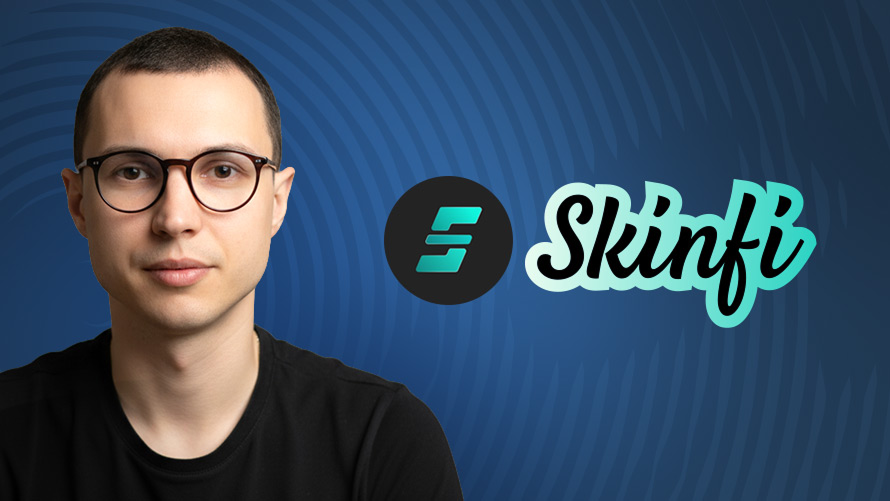
On March 26th, The SUP welcomed Cristian, founder of SkinFi, for a detailed discussion and live demo of how his platform is modernizing in-game asset trading and lending. Counter-Strike’s skin economy is already worth billions, and SkinFi is showing how Web3 infrastructure can make it more efficient, transparent, and accessible.
Marketplace Demo: How SkinFi Works
Cristian began with a live demonstration of the SkinFi marketplace. The process was designed to be straightforward:
- Steam Login: Users connect their Steam account in two clicks, instantly pulling in their full inventory of Counter-Strike skins.
- Wallet Integration: Items are linked directly to the user’s on-chain wallet, enabling secure, non-custodial trading.
- Marketplace Listings: Players can list items, set loan conditions, and even create private listings for peer-to-peer trades.
The platform updates in real time using websockets and features a clean, user-friendly interface.
Peer-to-Peer Trading Without Custodians
SkinFi distinguishes itself from traditional Web2 marketplaces by removing custodial risk. On other platforms, funds are held by the company for days before being released, often with significant fees. With SkinFi, all trades and payouts are wallet-to-wallet, instant, and fee-light, ensuring players maintain full control of their assets.
Lending and Borrowing: Turning Skins Into Income
One of the platform’s most innovative features is skin lending. Owners can set their own loan terms, including rental price, minimum duration, and collateralization.
For example, a $300 skin could be rented for $10 per week, with a one-month minimum and 150% collateral posted by the borrower. The lender earns passive income while retaining ownership, and the borrower gains access to premium items without a large upfront purchase.
This model introduces DeFi-style mechanics to gaming, giving skins financial utility beyond trading or collecting.
Why Web3 Improves the Market
Cristian compared SkinFi’s approach to Web2 platforms. Traditional marketplaces often:
- Delay withdrawals for a week or longer.
- Charge 10–15% transaction fees.
- Require trust in custodial intermediaries.
SkinFi addresses these problems directly by offering instant payouts, near-zero fees, and direct wallet settlement. On top of that, additional features like lending and mini-games create entirely new ways to use in-game assets.
SkinFi’s Supra Integration
Cristian explained how SkinFi became part of the Supra ecosystem. Initially, the team was looking for a decentralized oracle service that could support any API feed. After reaching out to Supra’s CEO on X, SkinFi began collaborating with Supra’s team, integrating our oracles and decentralized VRF (dVRF) services.
This partnership ensures:
- Verifiable Randomness for fair outcomes in skin-based mini-games.
- Decentralized data feeds to support marketplace functionality.
- On-chain settlement for every trade and rental, contributing transaction volume to Supra’s network.
Counter-Strike’s Staying Power
The discussion highlighted why Counter-Strike remains a top global game after more than 20 years. Cristian pointed to several factors:
- Consistent player base: CS2 and CS:GO regularly record 1.7–1.8 million concurrent daily players, often surpassing Fortnite.
- Skill-based design: Gameplay emphasizes precision and mechanics, ensuring long-term competitiveness.
- Community-driven economy: Skins with varying rarities, patterns, and wear levels create unique value for each item.
Cristian argued that Valve’s decision to allow skin trading was a key factor in Counter-Strike’s longevity, and that other studios miss opportunities by preventing players from owning or exiting their in-game purchases.
Expanding Beyond Counter-Strike
While Counter-Strike is the starting point, SkinFi plans to expand into:
- Other esports titles with active trading economies.
- Web3-native games where player ownership is a core feature.
- Additional DeFi-style tools, such as collateralized rentals, lending pools, and more advanced marketplace mechanics.
Cristian also noted that SkinFi can act as a bridge between Web2 and Web3, even serving as an off-ramp by purchasing skins with stablecoins and reselling them on fiat-based platforms.
Key Takeaways
SkinFi is building a full-stack solution for digital asset ownership in gaming. By combining Steam integration, non-custodial trading, lending mechanics, and Supra’s oracle infrastructure, the platform offers both gamers and collectors new ways to use their items.
In the end, Web3 isn’t just adding speculation to games; it’s providing faster, fairer, and more transparent systems for the massive in-game economies that already exist.
Want to get started?
- Check out SkinFi here.
- Download StarKey Wallet to stake your Supra.
- Join new live episodes of The SUP every Thursday at 3 p.m. UTC.